The psychology behind risk-taking in casino gambling
The allure of risk in gambling
Casino gambling inherently attracts individuals due to the thrill associated with risk-taking. This allure is deeply rooted in human psychology, where the potential for reward often overshadows the fear of loss. The unpredictability of winning creates a potent mix of excitement and suspense, drawing players into a state of heightened emotional engagement. This makes gambling a unique form of entertainment, where the stakes are not just financial but also psychological. Moreover, if you want to learn more about online gaming, visit https://slotomen.net.
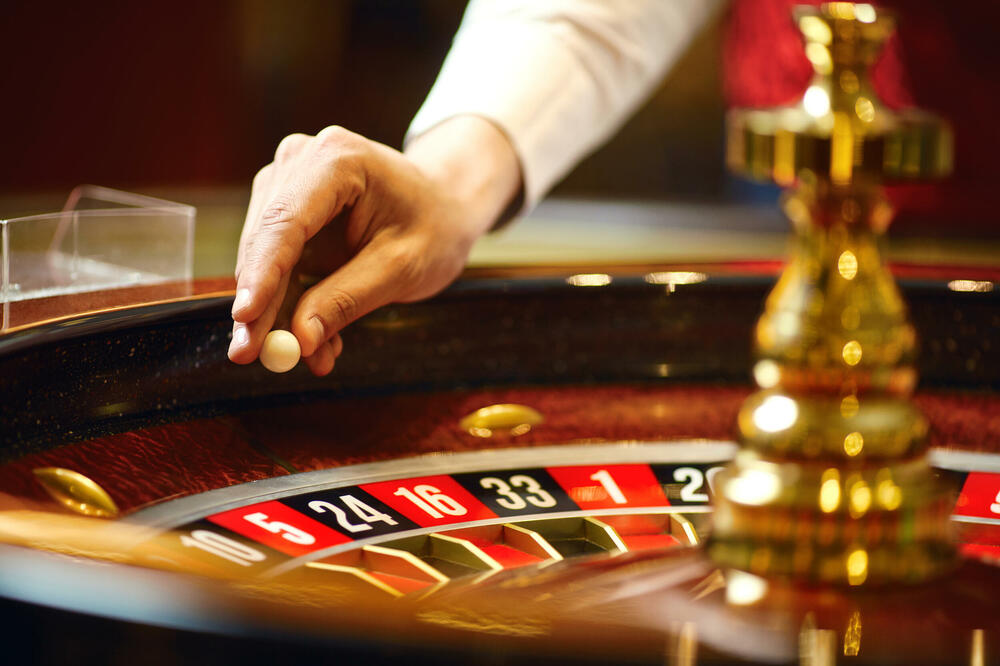
Moreover, the dopamine release during a win reinforces the behavior of risk-taking. Neurotransmitters like dopamine are linked to pleasure and reward, suggesting that the brain interprets gambling as an activity leading to a positive outcome. This biological reaction can create a cycle of wanting to experience the thrill again, pushing players to take risks they might not consider in other contexts. The combination of potential reward and the thrill of the unknown can make gambling irresistibly enticing.
Additionally, the social aspect of gambling contributes to its allure. Many players are drawn to the camaraderie found in casinos, where collective experiences enhance the thrill of risk. Social interactions can amplify emotional highs and lows, making the experience more memorable. When surrounded by others who share the same excitement, the urge to take risks can increase, driving players to gamble more heavily in pursuit of shared enjoyment and validation.
The role of luck versus skill
The debate between luck and skill plays a pivotal role in how individuals approach gambling. Games like poker require a certain level of skill, strategy, and psychological insight into other players, allowing participants to take calculated risks. In contrast, games of chance, such as slots or roulette, hinge almost entirely on luck, with outcomes beyond the player’s control. This difference can influence how players perceive their chances and the strategies they employ, affecting their willingness to engage in risk-taking behavior.
Psychologically, players may delude themselves into thinking they can influence the outcome of luck-based games through specific actions or rituals. This phenomenon, known as the “illusion of control,” can lead individuals to believe they possess greater agency over the game than they truly do. Such beliefs can intensify their risk-taking, as players may feel emboldened to wager higher amounts, convinced that their actions will lead to favorable outcomes.
The understanding of luck versus skill can also shape the emotional experience of gambling. Players who perceive the game as one driven by skill may feel more empowered and engage in strategic risk-taking, while those who view it as purely luck-based may experience anxiety and impulsivity. This distinction not only affects how risks are taken but also influences the satisfaction derived from gambling, highlighting the psychological complexities involved in casino games.
The influence of cognitive biases
Cognitive biases significantly shape the gambling experience, often encouraging risk-taking behavior. One prominent bias is the “gambler’s fallacy,” where individuals believe that previous outcomes influence future probabilities in games of chance. For instance, a player may think that if a particular number hasn’t come up recently, it is “due” to hit soon. This misconception can lead to increased wagers, as players wrongly assume they can predict outcomes based on past occurrences.
Another bias is the “availability heuristic,” where individuals assess the probability of an event based on how easily examples come to mind. In a casino setting, players who recall stories of big winners may overestimate their chances of success, prompting them to take greater risks. This cognitive distortion can drive players to gamble more, fueled by a skewed perception of the likelihood of winning.
Furthermore, loss aversion plays a crucial role in risk-taking behavior. Players often feel the pain of losses more intensely than the pleasure derived from equivalent wins. This psychological phenomenon may prompt gamblers to chase losses, leading them to take risks they might otherwise avoid. Understanding these cognitive biases is essential for recognizing the underlying psychological factors that drive risk-taking in the high-stakes environment of casinos.
The emotional rollercoaster of gambling
The emotional experiences tied to gambling significantly influence risk-taking behavior. Gamblers frequently experience a wide range of emotions, from euphoric highs during wins to despair during losses. This emotional rollercoaster can create a cycle of risk-taking, as players may seek to escape negative emotions by continuing to gamble in hopes of a turnaround. The desire to reclaim lost funds can drive impulsive decisions and escalate bets, illustrating how emotions can cloud judgment.
Additionally, the context in which gambling occurs can amplify emotional responses. For instance, the vibrant atmosphere of a casino—with its sights, sounds, and social interactions—can heighten excitement and encourage players to take risks. This environment may create an intoxicating mix of adrenaline and hope, leading individuals to gamble larger amounts than they initially intended. The thrill of being surrounded by other players engaged in similar behavior can reinforce the desire to take risks.
Moreover, gamblers may also experience a sense of personal identity tied to their gambling behavior. Many individuals derive self-esteem and validation from their performance at the tables, further motivating them to engage in risk-taking. This emotional connection can deepen the impact of wins and losses, making the psychological experience of gambling more profound. Ultimately, emotions play a critical role in shaping how individuals approach risk in casino gambling.

Explore casino gaming at Slotomen
At Slotomen Casino, the thrilling world of online gaming invites players to explore an array of casino games and sports betting options. The platform provides a user-friendly experience, making it easy for both new and seasoned players to navigate the diverse offerings. With a generous €300 welcome bonus and 100 free spins, players are encouraged to dive into the excitement while understanding the psychological dynamics of risk-taking.
The engaging atmosphere at Slotomen promotes not only fun but also thoughtful risk management. Players can find a balance between the thrill of gambling and the importance of responsible gaming. With various promotions and convenient payment methods, Slotomen enhances the gaming experience, ensuring that players can focus on enjoying their time while being mindful of the psychological factors that influence their behavior.
Join the vibrant community at Slotomen Casino, where each gaming session provides an opportunity to explore the intricacies of risk-taking in gambling. By understanding the psychological influences behind these decisions, players can make informed choices and maximize their enjoyment while engaging in this captivating form of entertainment.
Leave a Reply